Art & Culture
How a Night Becomes a Story: Inside R’Time’s Editorial Processd
A behind-the-scenes look at how student writers, photographers, and editors turn an assignment into responsible cultural coverage.
Los Angeles ·
Published July 14, 2026
Words by R’Time Editorial Desk
Photography by R’Time Visual Lab
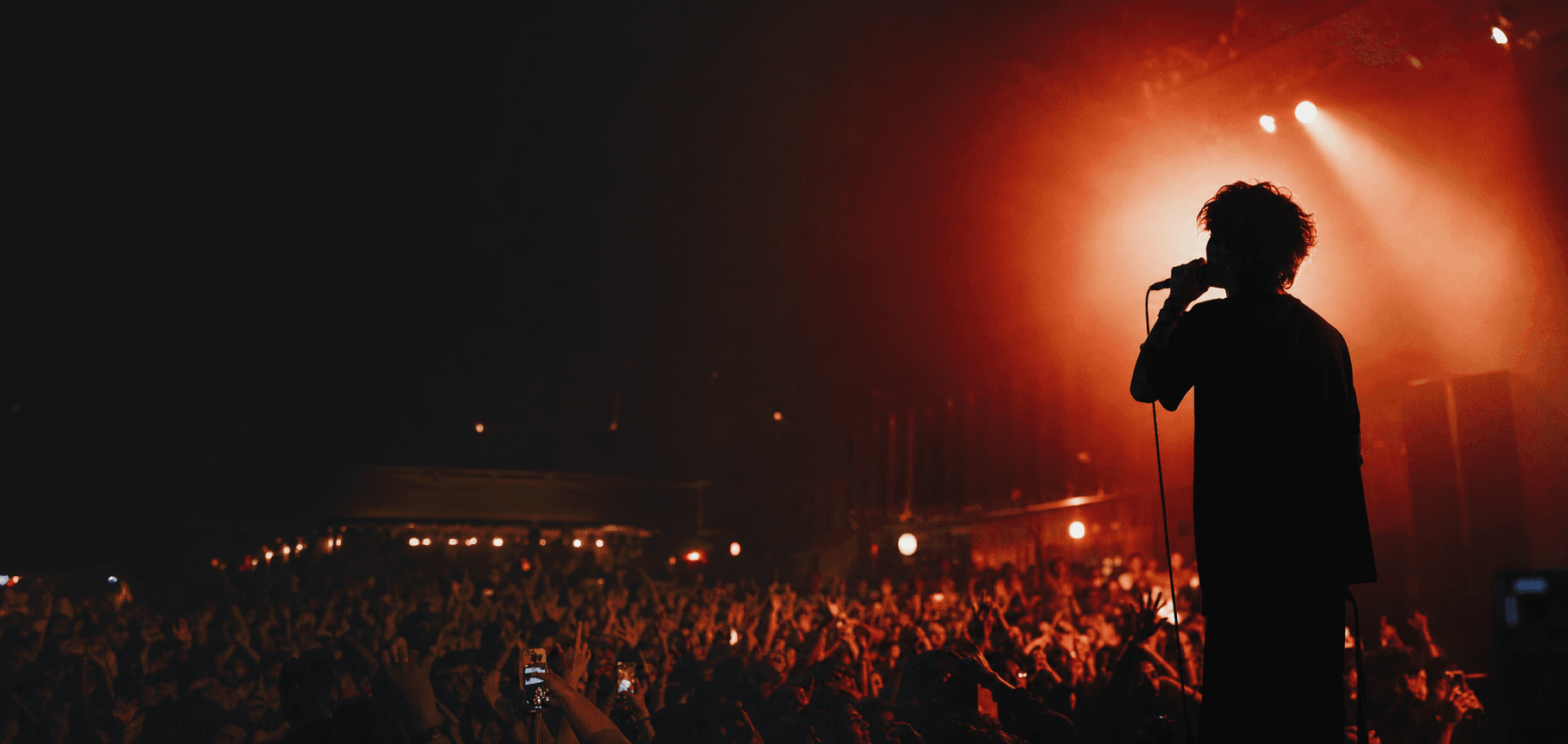
Every R’Time story begins before the venue lights go down. An editor confirms the assignment, the contributor reviews access requirements, and the team agrees on the reporting angle, credits, and visual needs.
Before the assignment
Writers research the artist and venue without deciding the conclusion in advance. Photographers prepare equipment, review venue policies, and record the information needed for accurate captions and image rights.
Reporting from the room
During an event, contributors document specific moments: changes in arrangement, audience response, staging, pacing, and the details that distinguish direct observation from promotional language.
Credibility comes from showing the work: accurate details, transparent credits, careful editing, and photographs whose rights are understood.
At the editorial desk
The draft is checked for clarity, fairness, names, dates, venues, captions, credits, and links. Only after those checks does an editor prepare the headline, excerpt, search description, and homepage placement for publication.