Live Review
Yuuri’s First U.S. Show at The Wiltern Doesn’t Feel Like an Introduction
The Japanese singer-songwriter brought “Dried Flower,” “Betelgeuse,” newer material and a pair of American rock covers to Los Angeles for his first concert in the United States.
Los Angeles · The Wiltern
Published October 1, 2026 · Event September 26, 2026
Words by Andrew Wong
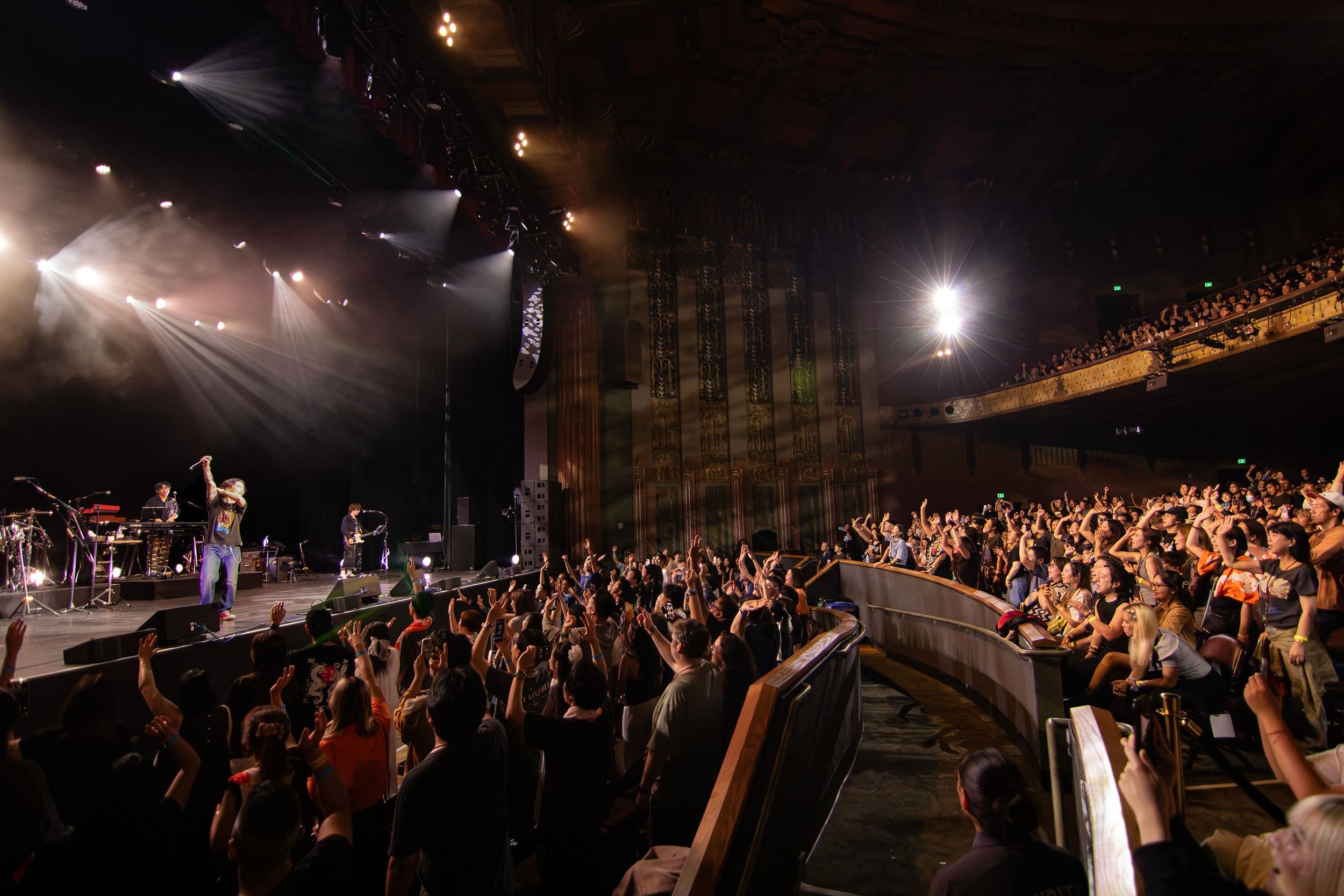
A first concert in a new country usually comes with some amount of introduction.
Yuuri did not seem to need much of one.
On Sept. 26, the Japanese singer-songwriter walked onto the stage at The Wiltern for his first performance in the United States. Officially, it was a milestone: after years of arena shows in Japan and an expanding run of concerts across Asia, Los Angeles was the first time his live career had reached an American venue.
But once the music started, the night felt less like an artist presenting himself to a new audience and more like a catalog finally catching up with listeners who had already found it.
Yuuri’s path to Los Angeles has been unusually tied to that kind of discovery. He began posting singing videos to social media in 2019, broke through with “Kakurenbo” and made his major-label debut with “Peter Pan” in 2020. Then came “Dried Flower,” the song that pushed him into another level entirely, topping major Japanese streaming charts and finishing 2021 at No. 1 on Billboard Japan’s year-end Hot 100. “Betelgeuse,” “Shutter,” “Leo” and others followed, turning him into one of Japan’s most streamed male solo artists.
At The Wiltern, though, the set did not begin with the ballads most closely associated with that rise.
“Peter Pan” opened the show, followed by “Hikosen” and “Kokuhaku Chokuzen Sanketsu Jotai,” letting Yuuri arrive through the more aggressive, rock-oriented side of his voice before moving into “Leo” and “Dried Flower.”
That sequencing mattered. Yuuri’s songs are often built around melody and emotional directness, but live, the rough edge in his voice becomes just as important. He can push a chorus until it sounds almost strained and then pull back enough for a quieter line to land differently.
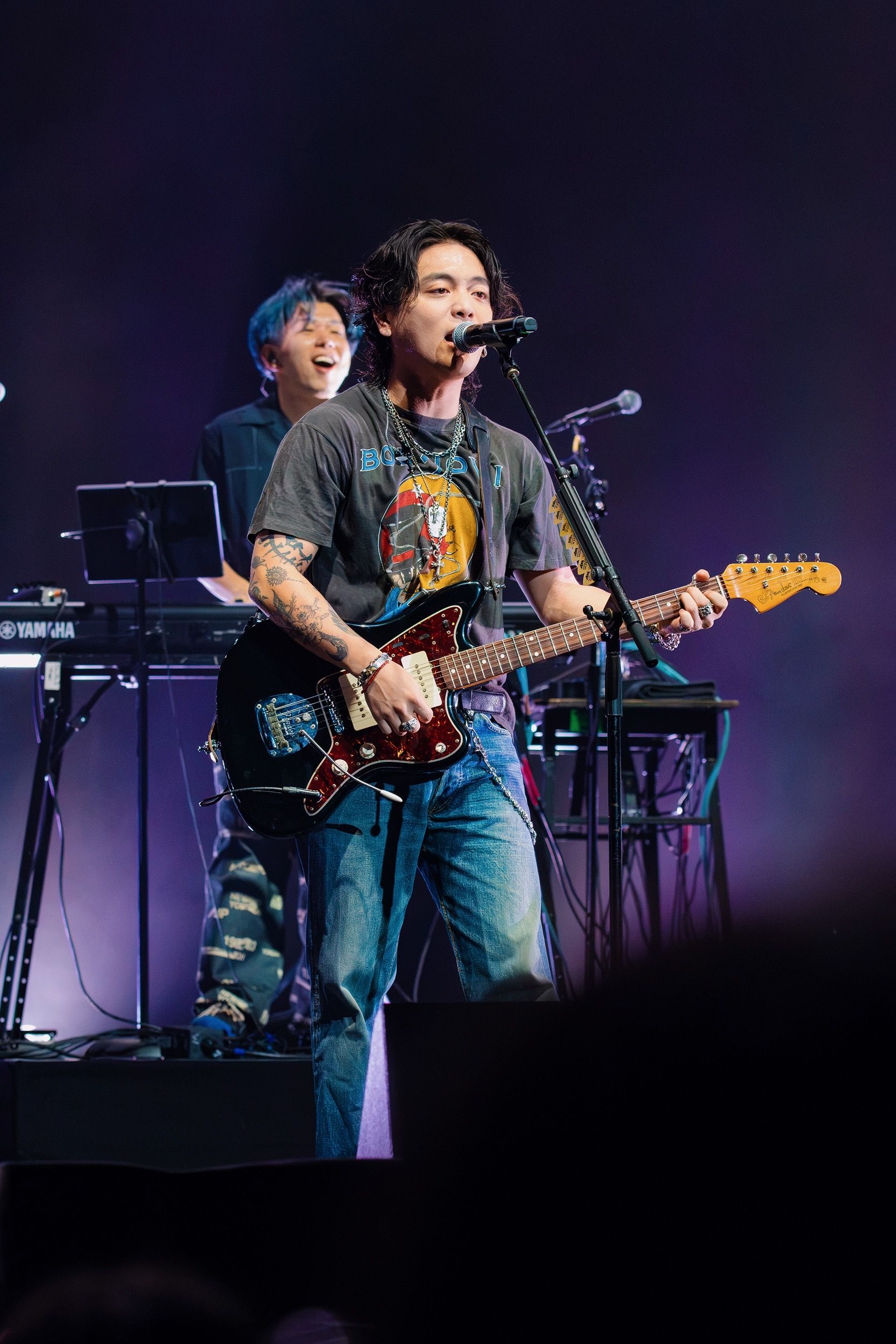
The middle of the show moved through “Galileo wa Koi wo Suru,” “Lila,” “Hero no Inai Machi” and “DiNA,” while also making room for two songs that made particular sense on an American debut: Mr. Big’s “To Be With You” and Bon Jovi’s “Livin’ On A Prayer.”
The latter was not just a one-night cover. Yuuri released his own version of “Livin’ On A Prayer” in August, only a little more than a month before the Wiltern show.
In Los Angeles, the pair worked as more than an attempt to reach an English-speaking crowd. They connected Yuuri’s own music back to the arena-rock vocabulary that has always sat underneath some of his biggest performances. Placed alongside “Merry-Go-Round,” the covers also gave the set a brief detour before it returned to his newer material.
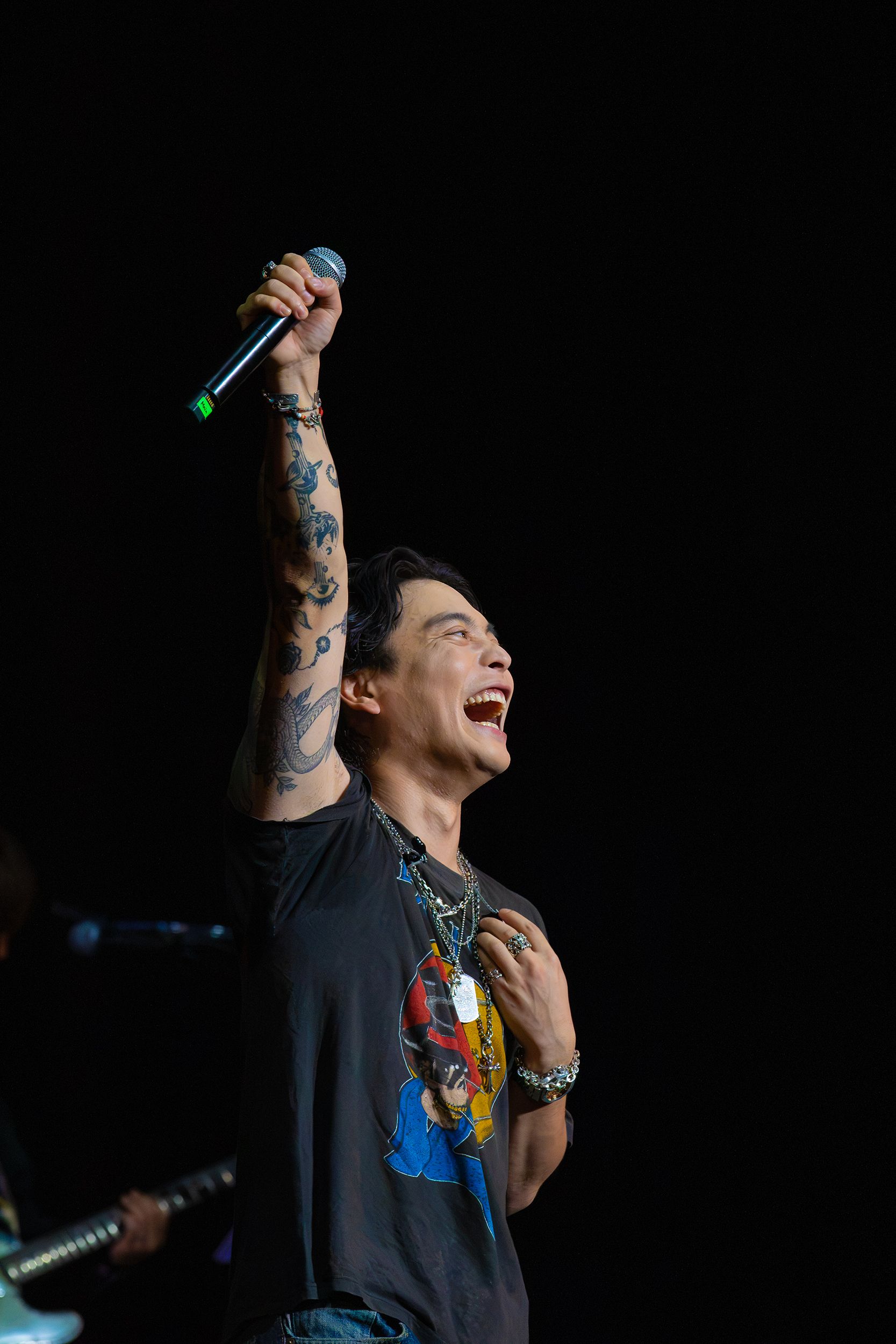
That final stretch probably explained Yuuri’s current career better than anything else in the show.
“Thunderbolt,” released this summer as the opening theme for Thunder 3, came only weeks after its physical release. The song itself had already made a connection with Los Angeles before the concert, with Sony first unveiling it at Anime Expo 2026 in July. “Curtain Call,” another song in the closing run, previously served as an opening theme for My Hero Academia.
Those anime connections have given Yuuri another route to listeners outside Japan, but the Wiltern set never depended on them. “Astronauts” led into “Billimillion” and then “Betelgeuse,” with audience posts after the show particularly singling out the room-wide singing during “Billimillion.”
By then, the distinction between a Japanese hit and an American audience did not feel especially useful.
“Betelgeuse” is one of the clearest examples. The song has accumulated hundreds of millions of streams and became Yuuri’s second track to cross the 700 million-stream mark in Japan, according to his official biography. At The Wiltern, all of that scale was compressed into a theater where the people standing only a few rows from him had carried those songs thousands of miles from where they were first released.
Late in the night, Yuuri returned wearing a bright blue baseball jersey made for the occasion, WILTERN printed across the back above the number 31. He raised his microphone, smiled through the closing moments and eventually held his guitar over his head.
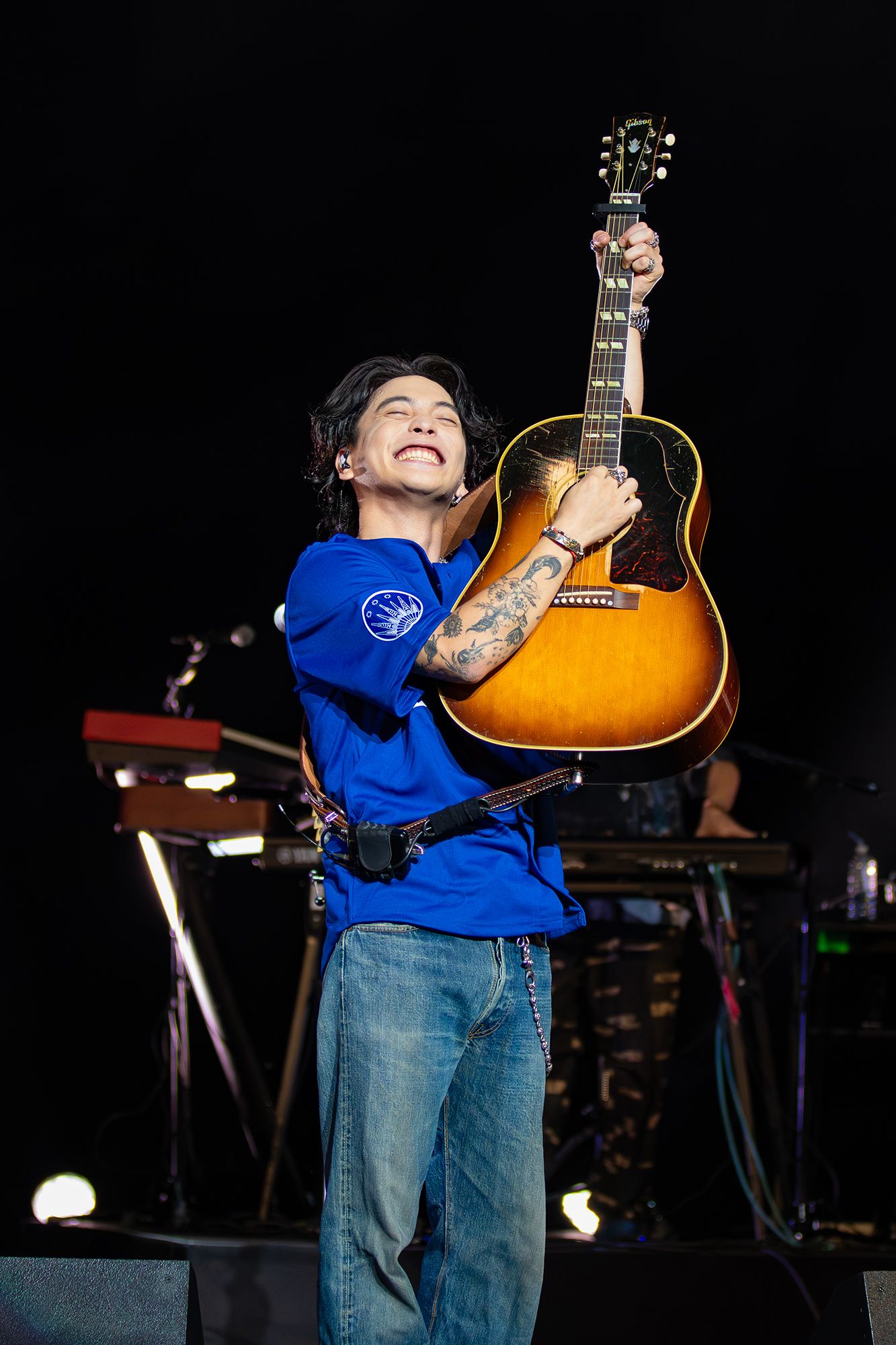
The set closed with “Sekai ga Owarimashita,” his 2026 single written as the theme for the Japanese drama Reunion: Silent Truth.
It was an interesting place to end a night that otherwise carried so much first-time significance.
Yuuri arrived in Los Angeles after building a career largely on the opposite side of the Pacific, but his music had already done much of the traveling for him. “Dried Flower” had been streamed for years. “Betelgeuse” already had an international audience. Anime had carried newer songs farther still.
The Wiltern was his first American concert.
It just did not feel like the first time Los Angeles had heard him.
Contributors
Words
Andrew Wong
Founder · Editor in Chief · Journalist · Photographer
Andrew Wong is the founder and editor in chief of R’Time in a Flash. A journalist and concert photographer, he covers live music across Los Angeles and Orange County through reporting, reviews, and original photography.